
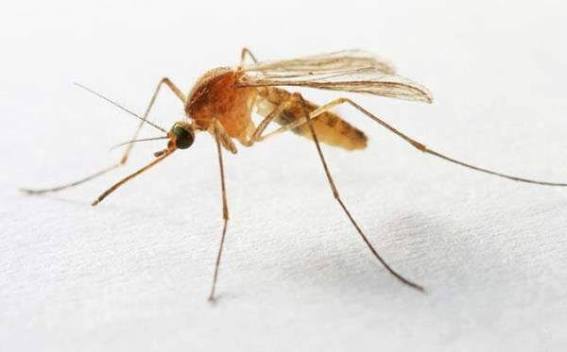
- They spread diseases. Some mosquito species can carry viruses and parasites from one host to another. Depending on where you live, these can include malaria, dengue fever, West Nile virus, Zika virus, and others. Not every mosquito carries disease, but some do.
- Their populations can grow quickly. Mosquitoes lay eggs in standing water, and under warm conditions they can develop from egg to adult in about a week. A small amount of stagnant water is often enough for many species.
- Bites can cause problems. Even when mosquitoes aren’t carrying disease, their bites can cause itchy welts, allergic reactions in some people, and discomfort that affects outdoor activities or sleep.
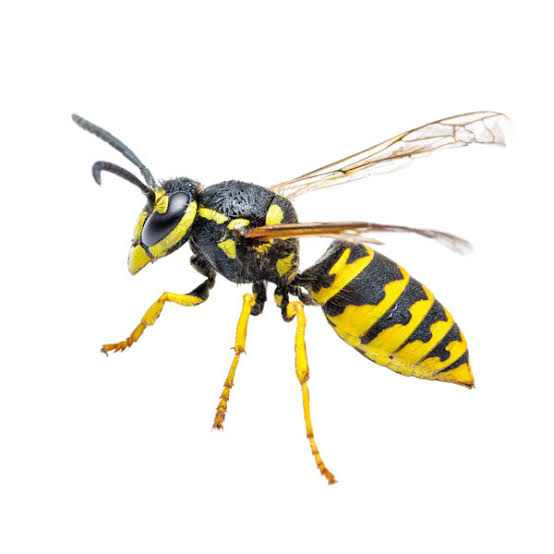
- Their stings are painful and can cause swelling, redness, and itching.
- Some people have severe allergic reactions (anaphylaxis), which require immediate medical attention.
- Social species, such as yellowjackets and hornets, may sting multiple times if they perceive a threat to their nest.
To reduce the risk of stings:
- Avoid disturbing nests.
- Wear shoes outdoors, especially in grassy areas.
- Keep food and sugary drinks covered when eating outside.
- Seal garbage cans tightly.
- If you discover a nest in a location where people are likely to encounter it, consider having it removed safely rather than attempting to remove it yourself.
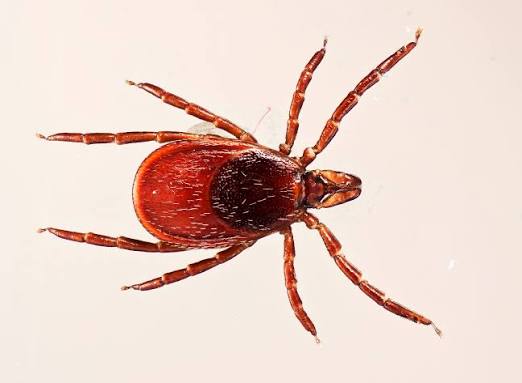
- They can transmit diseases. Depending on the species and where they live, ticks can spread illnesses such as Lyme disease, Rocky Mountain spotted fever, and babesiosis.
- Their bites may cause irritation. Some people develop redness, itching, or swelling at the bite site.
- They can stay attached for days. While feeding, ticks can increase the chance of transmitting pathogens if they are carrying them.
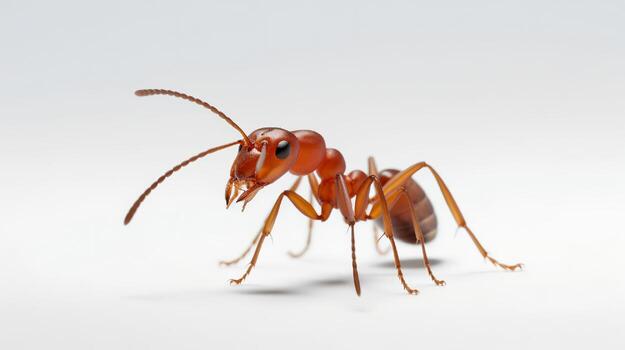
- They contaminate food. Ants can enter homes in search of food and water, making food less sanitary.
- Some species bite or sting. For example, fire ants can deliver painful stings that cause burning, swelling, and, in some people, severe allergic reactions.
- They can damage property. carpenter ants tunnel through wood to build nests, which can weaken wooden structures over time if the infestation is extensive.
- Large infestations are a nuisance. Ant trails in kitchens, pantries, or around the home can be difficult to eliminate without addressing the nest.
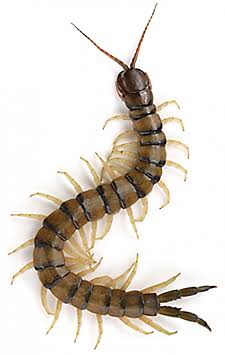
Centipedes & Millipedes can be harmful because:
- Centipedes
- They may bite if handled or trapped.
- Their bites can cause pain, redness, and swelling, similar to a bee sting in many cases.
- Larger species tend to have more painful bites, though serious reactions are uncommon.
- Millipedes
- Millipedes are generally harmless to people, but they can:
- Release a defensive fluid that may irritate the skin or eyes in some people.
- Become a nuisance when large numbers gather around homes, especially during wet weather.
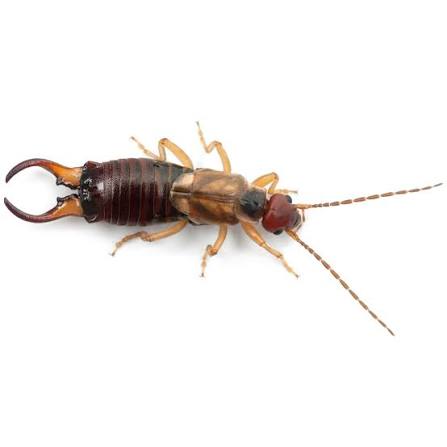
- Earwig
- Nuisance indoors: They may enter homes, especially during damp or rainy weather, in search of moisture and shelter.
- Occasional pinching: Earwigs can use their pincers if handled or threatened. The pinch is usually mild and rarely breaks the skin.
- Garden damage: Large numbers may feed on flowers, seedlings, fruits, and vegetables, although they also eat other insects and decaying plant material.
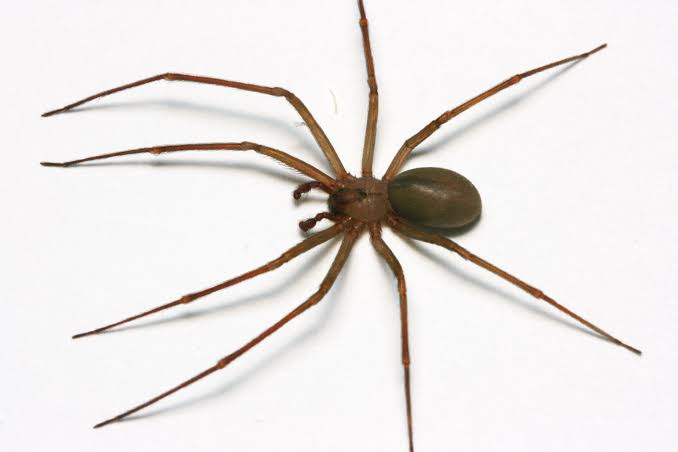
- Spiders
- Bites: Most spider bites are uncommon and cause only mild redness, swelling, or pain. However, a few species can deliver medically significant bites.
- Venomous species: In some regions, spiders such as the black widow spider and brown recluse spider can cause more serious symptoms and may require medical attention.
- Indoor nuisance: Spider webs in corners, basements, garages, and attics can be unsightly, and some people have a strong fear of spiders (arachnophobia).
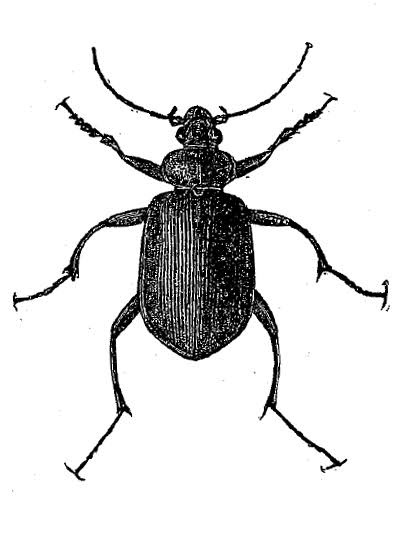
- Beetles
- Food contamination: Some species, such as pantry beetles, infest stored foods including flour, cereal, rice, pasta, spices, and pet food.
- Property damage: Certain beetles, such as wood-boring beetles, can damage wooden furniture, flooring, or structural timber by tunneling through wood.
- Plant damage: Many beetle species feed on leaves, flowers, fruits, or crops, reducing the health and yield of garden and agricultural plants.
- Fabric damage: carpet beetles can damage natural fibers such as wool, silk, leather, and feathers found in clothing, carpets, and upholstered furniture.
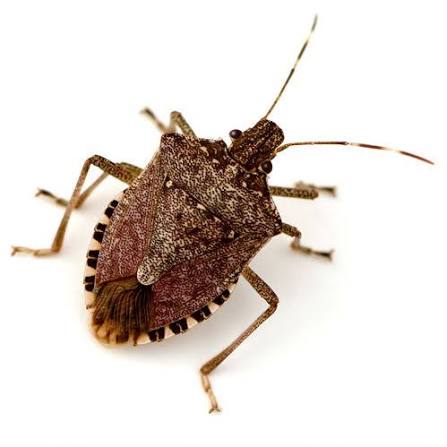
- Stink Bugs
- Indoor nuisance: They often enter homes in the fall to seek shelter for the winter and may gather in large numbers.
- Unpleasant odor: When threatened or crushed, they release a defensive odor that can linger indoors.
- Plant damage: Some species, including the brown marmorated stink bug, feed on fruits, vegetables, and ornamental plants, causing damage to crops and gardens.
- Not a health threat: Stink bugs do not bite or sting people, and they are not known to spread diseases.
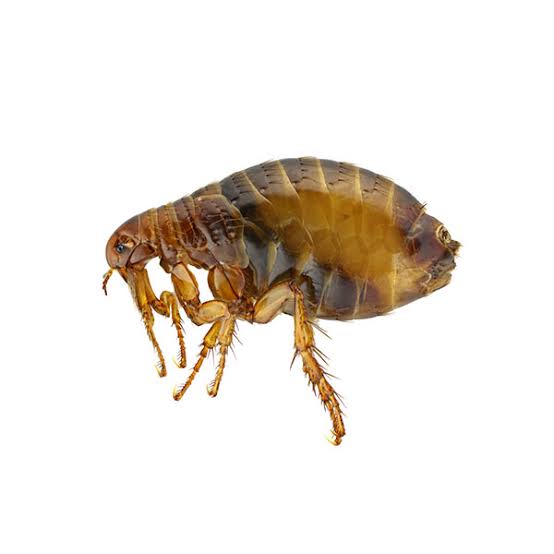
- Fleas
- Bites and irritation: Flea bites can cause itchy red bumps, skin irritation, and allergic reactions in people and animals.
- Pet health problems: Heavy flea infestations can cause severe itching, hair loss, skin infections, and anemia, especially in young, elderly, or weakened animals.
- Disease transmission: Fleas can transmit certain diseases, including murine typhus and can play a role in spreading plague in some regions.
- Rapid reproduction: Fleas can multiply quickly because eggs, larvae, and pupae can develop in carpets, bedding, cracks, and other protected areas—not just on pets.
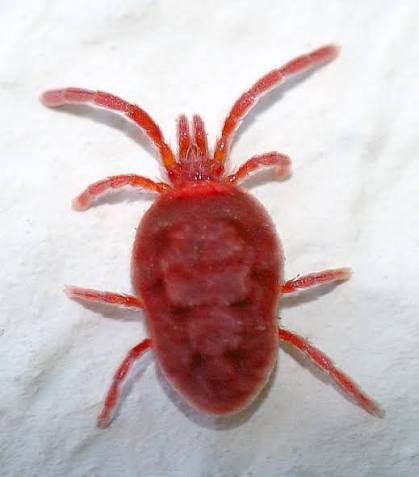
- Mites
- Skin irritation: Some mites can cause itching, redness, rashes, or allergic reactions.
- Allergies: house dust mites do not bite people, but their waste particles and body fragments can trigger allergies and asthma symptoms in sensitive individuals.
- Pet problems: Certain mites can cause skin conditions in pets, including itching, hair loss, and irritation.
- Plant damage: Plant-feeding mites can damage leaves, reduce plant health, and affect crops.
- Stored product issues: Some mites infest stored foods such as grains and dried products.
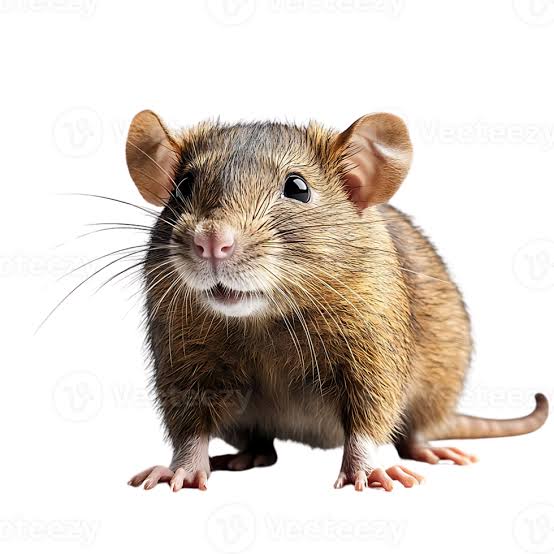
- Rodents
- Disease risks: Rodents can carry and spread diseases through their droppings, urine, saliva, and bites. They can also contaminate food and surfaces.
- Food contamination: Rodents may enter pantries, kitchens, and storage areas, leaving behind waste and contaminating food supplies.
- Property damage: Their constant gnawing can damage electrical wiring, insulation, drywall, wood, and other materials, creating fire and repair risks.
- Rapid reproduction: Rodents can reproduce quickly, allowing a small problem to become a larger infestation.
- Allergens: Droppings, urine, and nesting materials can contribute to indoor allergens and odors.